Advanced and compassionate ENT care for ear, nose and sinus conditions. Our approach combines accurate diagnosis, modern surgical techniques and personalized treatment to help patients achieve better health and an improved quality of life.
Ear surgery involves procedures performed to treat problems affecting the outer, middle or related structures of the ear. Endoscopic surgery uses a thin, lighted camera called an endoscope to provide a clear view of areas that may be difficult to access with conventional techniques.
Depending on the condition, endoscopic techniques may allow the surgeon to work through natural openings or smaller surgical approaches. The appropriate procedure is selected according to the patient's symptoms, diagnosis, anatomy and overall health.
Every patient receives an individualized evaluation before surgery is recommended. The goal is to provide safe, evidence-based treatment while maintaining clear communication throughout the treatment journey.
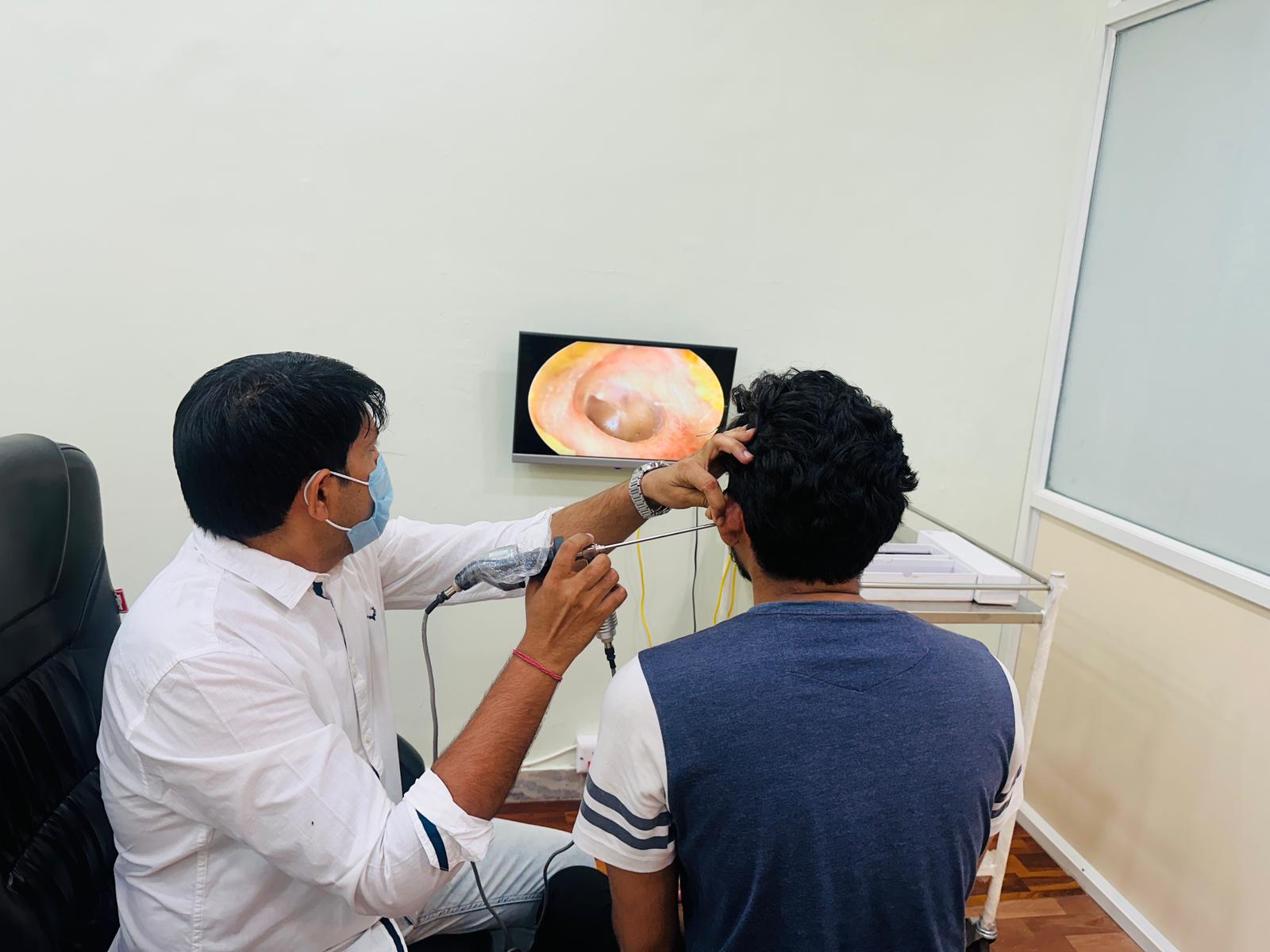
Modern surgical approaches for selected ear, nose and sinus conditions, based on detailed clinical evaluation.
Advanced surgical treatment for chronic ear infections, eardrum perforation, middle-ear problems and selected conditions affecting ear health and hearing.
Tympanoplasty is performed to repair a perforated or damaged eardrum. It aims to close the perforation, protect the middle ear and may improve hearing in suitable patients.
Mastoid surgery may be recommended for selected cases of chronic ear disease, infection or cholesteatoma involving the mastoid bone behind the ear.
Surgical treatment focuses on removing abnormal tissue from the middle ear or mastoid and controlling the disease while protecting important structures whenever possible.
Endoscopic Ear Surgery uses a small camera and specialized instruments for precise treatment of selected ear conditions.
Comprehensive evaluation and treatment for hearing problems, recurrent ear infections, nasal blockage, chronic sinusitis and other ENT conditions.
Treatment is planned according to the individual patient's condition, symptoms and diagnostic findings.
A procedure used to repair a perforated or damaged eardrum. Depending on the underlying condition, it may help restore the protective function of the eardrum and improve hearing.
A surgical procedure used in selected cases where disease or infection involves the mastoid area behind the ear. The exact approach depends on the nature and extent of the disease.
Surgery may be required to remove a cholesteatoma and control disease within the middle ear or mastoid. Treatment aims to protect the ear and surrounding important structures.
When appropriately indicated, modern surgical techniques may provide important advantages for selected patients.
Advanced visualization helps identify and treat diseased areas accurately.
Endoscopic technology provides detailed views of internal anatomical structures.
Treatment is planned according to the patient's individual condition and treatment requirements.
Diagnosis, treatment planning and postoperative guidance are considered as part of the overall care journey.
Persistent or recurrent ear, hearing, nose or sinus symptoms should be properly evaluated. An ENT consultation can help identify the underlying cause and determine whether medication, observation or surgery is appropriate.
Before recommending surgery, the ENT specialist evaluates your symptoms, medical history and examination findings. Depending on your condition, tests such as hearing assessment, nasal endoscopy or imaging may be recommended.
Not every patient requires surgery. The most appropriate treatment is selected after understanding the underlying condition and considering available treatment options.
Schedule Consultation
Comprehensive evaluation and personalized treatment for ear, nose, throat, hearing and vertigo-related conditions.
Each patient is evaluated individually and treatment recommendations are made according to the diagnosis, symptoms and clinical requirements.
Some common questions patients have about ENT surgery and endoscopic treatment.
Modern ENT surgery is generally considered safe when performed for the appropriate indication by a qualified specialist. However, every surgical procedure has potential risks, which vary according to the specific operation and individual patient factors.
Hearing improvement depends on the underlying condition, the structures involved and the type of procedure performed. Some surgeries are primarily intended to control disease, while others may also improve hearing in suitable patients.
Recovery varies according to the procedure, extent of disease and individual patient factors. Your surgeon will provide specific postoperative instructions and advise when you can return to normal activities.
Endoscopic Ear Surgery offers excellent visualization and may be a minimally invasive option for selected ear conditions. It can involve no visible external scar, less postoperative pain, and early recovery for suitable patients. However, it is not automatically the best option for everyone. The choice of surgical technique depends on the diagnosis, ear anatomy, and individual treatment requirements.
Depending on your symptoms, your doctor may recommend an ear examination, hearing assessment, nasal endoscopy, CT scan or other investigations. The tests required vary from patient to patient.
Experiencing ear problems, hearing difficulties, recurrent ear infections, nasal blockage or chronic sinus symptoms? Schedule a consultation for proper evaluation and personalized treatment.
Book Your Consultation