Comprehensive evaluation and personalized treatment for nasal blockage, sinus problems, allergies, nasal polyps and other conditions affecting comfortable breathing and sinus health.
Nose and sinus problems can affect breathing, sleep, smell and everyday comfort. Symptoms may occur because of allergies, inflammation, infection, nasal polyps or structural problems inside the nose.
Chronic sinusitis is generally associated with persistent symptoms such as nasal blockage, facial pressure, nasal discharge and reduced sense of smell. Proper evaluation helps identify the underlying cause and select the most appropriate treatment.
Treatment may include medical management, allergy control, nasal care and, for selected patients whose symptoms persist despite appropriate medical treatment, endoscopic sinus surgery.
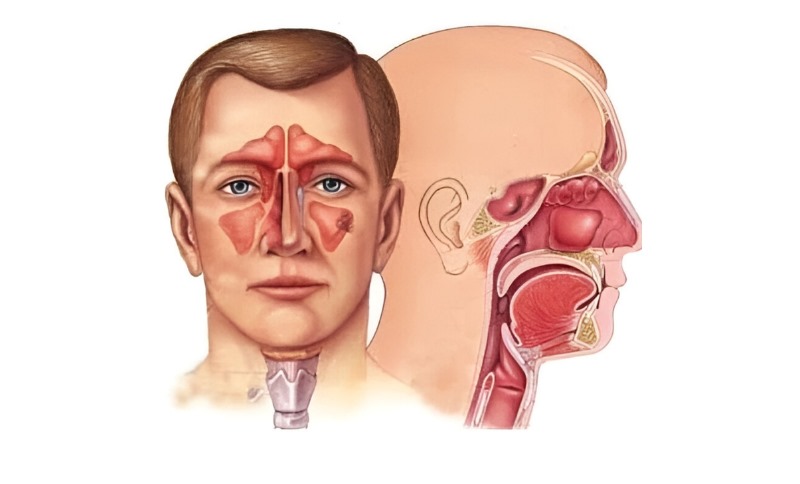
Individualized care based on symptoms, clinical examination and diagnostic findings.
Evaluation and treatment of persistent nasal blockage caused by inflammation, allergies, structural problems or other ENT conditions.
Assessment and management of allergy-related sneezing, runny nose, nasal itching and congestion, with attention to individual triggers.
Comprehensive evaluation of persistent sinus symptoms and selection of suitable medical or surgical treatment when indicated.
Evaluation and treatment planning for nasal polyps that may contribute to nasal blockage, reduced smell and recurrent sinus symptoms.
Detailed examination of the nasal passages using an endoscope when clinically required to understand the cause of persistent nasal symptoms.
Endoscopic surgery may be considered for selected patients with persistent sinus disease when appropriate medical treatment has not provided sufficient relief.
Allergic rhinitis can cause repeated sneezing, nasal itching, watery discharge and congestion. Symptoms may become worse after exposure to specific environmental allergens.
Identifying possible triggers and controlling nasal inflammation can form an important part of long-term allergy management.
Allergy-related nose and sinus symptoms may require a combination of trigger avoidance, appropriate medicines and regular follow-up.
When allergies contribute to recurring sinus symptoms, controlling the allergic component can be an important part of the overall treatment plan.
Consult ENT SpecialistPersistent or recurrent nasal and sinus symptoms should be properly evaluated by an ENT specialist.
Difficulty breathing comfortably through the nose.
Repeated sneezing may be associated with nasal allergy.
Persistent or thick nasal discharge may require evaluation.
Pressure around the forehead, cheeks or eyes.
Decreased ability to smell can occur with sinus disease.
Nasal obstruction can make comfortable sleep difficult.
Repeated episodes may need detailed ENT evaluation.
Mucus sensation at the back of the nose or throat.
Treatment is selected according to the cause, severity and duration of symptoms.
Your symptoms, medical history and ENT examination help identify possible causes of nasal and sinus problems.
When required, nasal endoscopy can provide detailed visualization of the nasal passages and help assess persistent symptoms.
Depending on the diagnosis, treatment may include appropriate nasal medicines, saline care, allergy management or other prescribed therapies.
For selected patients with persistent disease despite appropriate medical treatment, endoscopic sinus surgery may be considered.
Endoscopic sinus surgery uses a small camera inserted through the nostrils to provide visualization inside the nasal and sinus passages.
The aim is to improve the natural drainage pathways of the affected sinuses. It may be considered for selected patients with chronic sinus disease or nasal polyps when appropriate medical treatment has not adequately controlled symptoms.
Not every patient with sinus symptoms needs surgery. The decision depends on the diagnosis, symptoms, examination findings and response to medical treatment.
Book ENT Consultation
Persistent nasal symptoms, repeated sinus problems or allergy symptoms affecting your daily life deserve proper evaluation.
Every patient is different. After evaluation, your ENT specialist can explain the likely cause of your symptoms and discuss suitable treatment options.
Depending on your symptoms, examination and clinical findings, additional investigations such as nasal endoscopy, CT imaging or allergy testing may be considered.
Schedule ConsultationAnswers to some common questions about nasal, sinus and allergy problems.
Common symptoms can include nasal blockage, facial pressure or fullness, nasal discharge, post-nasal drip and reduced sense of smell. Persistent symptoms should be evaluated by an appropriate healthcare professional.
Allergic inflammation can contribute to nasal congestion and may be associated with recurring sinus symptoms. Managing the allergic component can therefore be an important part of treatment.
No. Surgery is not required for every patient. Many sinus conditions can be managed medically. Endoscopic sinus surgery may be considered for selected patients when appropriate medical treatment has not adequately controlled disease.
Nasal endoscopy uses a small camera to allow the ENT specialist to examine the nasal passages in greater detail. It may be recommended when symptoms require further evaluation.
Nasal polyps can recur in some patients. Long-term management may therefore be required, particularly when inflammation or allergies contribute to the condition.
If you are experiencing persistent nasal blockage, recurrent sinus symptoms, allergies or reduced sense of smell, schedule an ENT consultation for proper evaluation and personalized treatment.
Book Your Consultation